BSc STUDENT PROJECTS (LÍF265L)
Parasites in fish: insights into trophic interactions
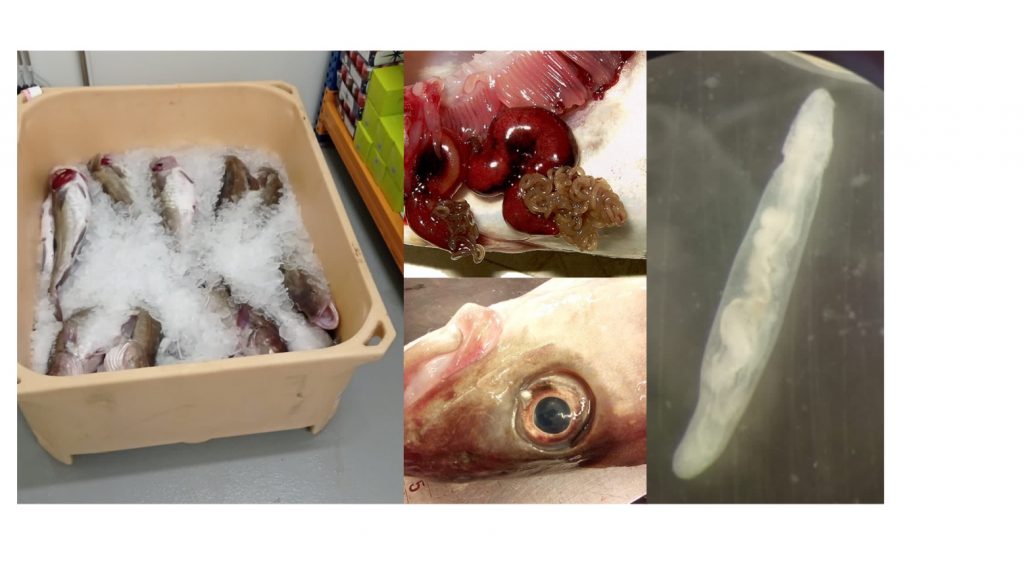
Applications are invited from interested students for multiple BSc projects in Biology or Molecular Biology for 2026-2027 to work under the supervision of Prof Haseeb Randhawa (Faculty of Life and Environmental Sciences) on a 15 ECTS Project (LÍF265L). The students will each develop a project based on one of the commercial fish species in Icelandic waters, such as: haddock, saithe, halibut, wolffish, plaice, lemon sole or ling. These exciting opportunities will allow prospective students to develop a project focusing on trophic dynamics using diet and parasite communities in commercially exploited marine species. The students will have access to wet lab, molecular lab, and local expertise. The projects will fit within the theme of Fisheries Ecology, Parasitology, or Biodiversity and could form the basis for a larger study (MSc project). Candidates should have interests in Fisheries Ecology, Marine Ecology, Parasitology, Biodiversity or Trophic Ecology. More importantly, candidates should be highly motivated and enthusiastic about this sort of research. The successful applicant may have opportunities to collaborate on other projects running concurrently within my research group. It is anticipated that this study could lead to a manuscript for publication, but this will depend on the findings of the study.
How to apply
Initial enquiries should be made to Prof Haseeb Randhawa, email: hrandhawa@hi.is.
RECRUITING MSc STUDENTS IN AQUATIC BIOLOGY & FISHERIES
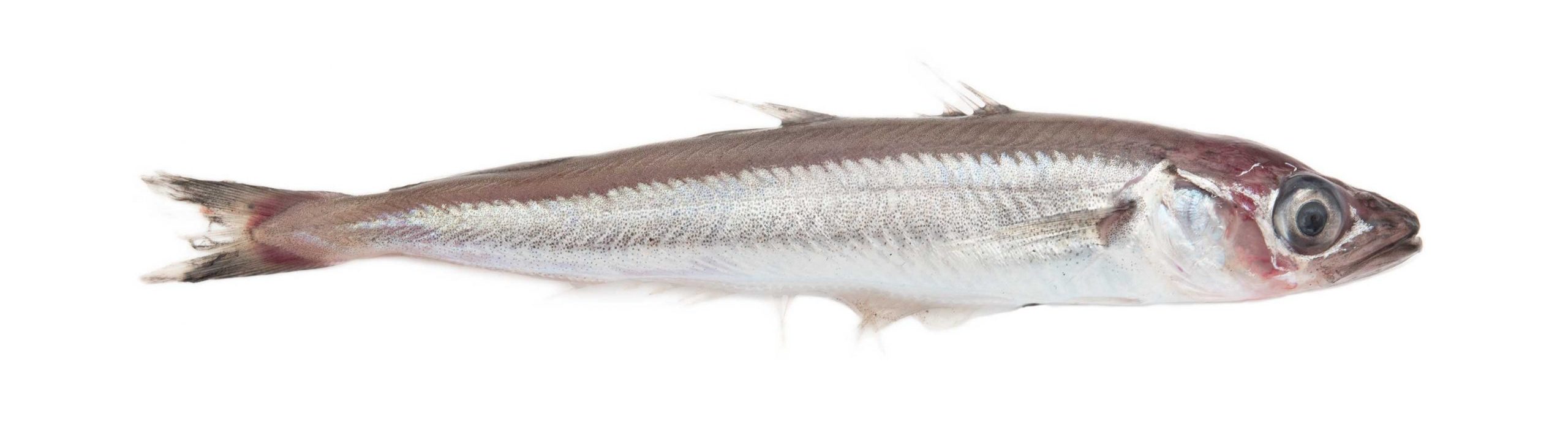
Parasites of blue whiting (Micromesistius poutassou)
Applications are invited from suitably qualified students for three MSc student position in Aquatic Biology and Fisheries for 2026-2027 to work under the supervision of Prof Haseeb Randhawa (Faculty of Life and Environmental Sciences). Blue whiting is one of the largest fisheries in the world with an average of about 1.5 million tons caught annually in the Northeast Atlantic. I have samples from 2023 collected from several areas in the northeast Atlantic and I am looking for 1 student to focus on blue whiting caught in Iceland waters, 1 student to focus on blue whiting caught in the Bay of Biscay, and 1 student to focus on blue whiting caught in the Norwegian Sea. The goal of these projects is to study the parasite communities of blue whiting on a regional scale. The students will have access to samples, facilities, and local expertise. Data generated from these student projects will feed into the project: Blue whiting (Micromesistius poutassou) stock structure in the Northeast Atlantic: one or many stocks? The project will fit within the themes of Fisheries Ecology and Marine Parasitology and could form the basis for a larger study (PhD project). Candidates should have interests in Fisheries Ecology or Marine Parasitology. More importantly, candidates should be highly motivated and enthusiastic about research involving dissecting fish. The successful applicant may have opportunities to collaborate on other projects running concurrently within my research group. It is anticipated that this study could lead to a manuscript for publication. Application information is found at the bottom of this page. (Photo credit: Svanhildur Egilsdóttir)
Changes in life history traits and reproductive investment of blue whiting (Micromesistius poutassou)
Applications are invited from suitably qualified students for one MSc student position in Aquatic Biology and Fisheries for 2026-2027 to work under the supervision of Prof Haseeb Randhawa (Faculty of Life and Environmental Sciences) in collaboration with Dr Thassya C dos Santos Schmidt and Dr Anna Heiða Ólafsdóttir (Marine and Freshwater Research Institute, MFRI, Iceland). Blue whiting is distributed from Morocco to Svalbard, but also in can occur in the Mediterranean Sea. The main spawning areas is located west of British Isles, and spawning takes places from February until April. Among the four main pelagic species (capelin, herring, mackerel, and blue whiting), blue whiting landings in Iceland have peaked in 2003 to 501 tons. A recent study showed the effect of condition and parasites on reproductive effort of blue whiting found in the Mediterranean Sea. Our goal is to analyse the reproductive biology – oogenesis, fecundity, and oocyte size on the main blue whiting stock. Researchers from Norway, Faroe Islands, Ireland, the Netherlands, and Spain (IEO) will be contact to contribute by providing ovary samples to be analysed. Also, catch samples collected in Iceland could be used in this study. Additionally historical data will be requested to evaluate possible changes in life history traits, such as condition, growth, and maturity ogive and the environmental effect on them. The project will fit within the theme of Fisheries Biology or Reproductive Biology and could form the basis for a larger study (PhD project). Candidates should have interests in Fisheries Ecology or Marine Ecology. More importantly, candidates should be highly motivated and enthusiastic about this sort of research. The successful applicant may have opportunities to collaborate on other projects running concurrently within my research group. It is anticipated that this study could lead to a manuscript for publication. Application information is found at the bottom of this page. (Photo credit: Svanhildur Egilsdóttir)

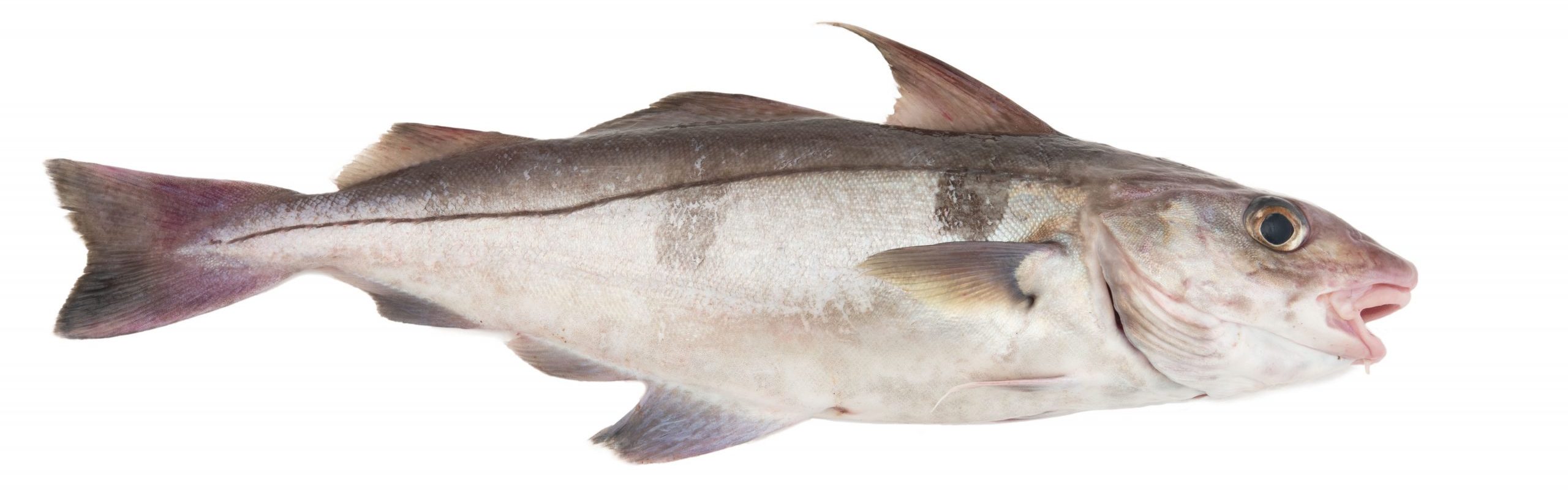
Variation in maturity-at-age of Icelandic haddock
Applications are invited from suitably qualified students for one MSc student position in Aquatic Biology and Fisheries for 2026-2027 to work under the supervision of Prof Haseeb Randhawa (Faculty of Life and Environmental Sciences) in collaboration with Dr Ingibjörg Jónsdóttir (Marine and Freshwater Research Institute, MFRI, Iceland). Haddock is one of the main commercial demersal species in Iceland. It is found all around Iceland within a range of different environmental conditions, which may influence population parameters, and hence, the sustainable level of the stock and the commercial catch. One of the main population parameters is maturity-at-age but variability in maturity may be related to various factors, i.e. sexual differences, delayed maturity in higher latitudes and increased depth. Changes in maturity-at-age can also be attributed to fisheries, where higher fishing pressure induce earlier maturation. Large scale geographical variation in maturity-at-age has been noted for Icelandic haddock where haddock north of Iceland mature later than haddock spawning in the south. However, information on finer scale as well as temporal variability is lacking. The goal of the project is to study temporal variations in maturity-at-age for haddock over a 30-year period (1993-2023) in relation to geographic location, depth, temperature and sex. The students will have access to long-term datasets and local expertise. The project will fit within the theme of Fisheries Ecology and could form the basis for a larger study (PhD project). Candidates should have interests in Fisheries Ecology or Marine Ecology. More importantly, candidates should be highly motivated and enthusiastic about this sort of research. The successful applicant may have opportunities to collaborate on other projects running concurrently within my research group. It is anticipated that this study could lead to a manuscript for publication. Application information is found at the bottom of this page. (Photo credit: Svanhildur Egilsdóttir)
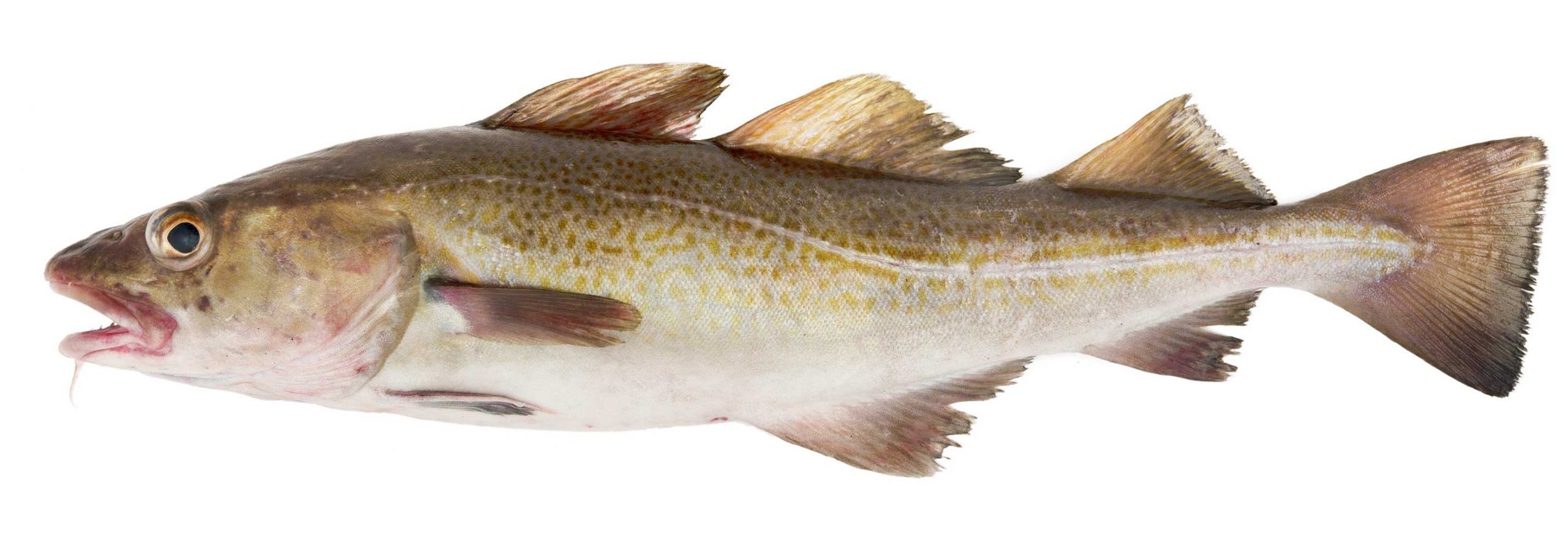
Parasites of cod (Gadus morhua) ecotypes
Applications are invited from suitably qualified students for four MSc student position in Aquatic Biology and Fisheries for 2026-2027 to work under the supervision of Prof Haseeb Randhawa (Faculty of Life and Environmental Sciences). Cod is one of the most important fisheries for Iceland and has been the foundation of the Icelandic economy for decades. I have samples from 2022 and 2024 collected from several areas around Iceland from both shallow (<125 m) and deep (>250 m) waters and I am looking for 1 student to focus on cod caught in shallow waters from the north of Iceland, 1 student to focus on cod caught in deep waters from the north of Iceland, 1 student to focus on cod caught in shallow waters from the south of Iceland, and 1 student to focus on cod caught in deep waters from the south of Iceland. The goal of these projects is to study the parasite communities of cod on a regional scale in different ecotypes. The students will have access to samples, facilities, and local expertise. Data generated from these student projects will feed into the project: Study of the potential of parasites as biological tags for discriminating between cod (Gadus morhua) in Icelandic waters. The project will fit within the themes of Fisheries Ecology and Marine Parasitology and could form the basis for a larger study (PhD project). Candidates should have interests in Fisheries Ecology or Marine Parasitology. More importantly, candidates should be highly motivated and enthusiastic about research involving dissecting fish. The successful applicant may have opportunities to collaborate on other projects running concurrently within my research group. It is anticipated that this study could lead to a manuscript for publication. Application information is found at the bottom of this page. (Photo credit: Svanhildur Egilsdóttir)
Parasites in declining cod populations:
spatial and temporal changes across the North and Baltic Seas
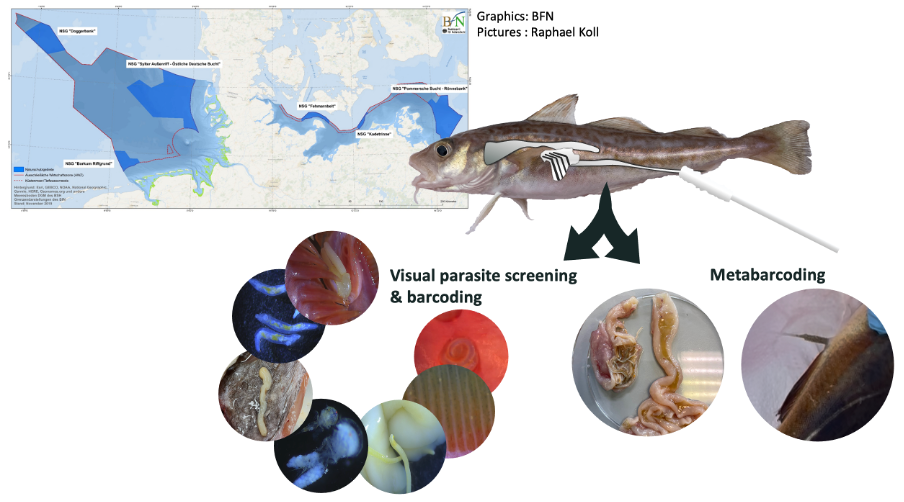
Applications are invited from suitably qualified students for one MSc student position in Aquatic Biology and Fisheries for 2026-2027 to work under the co-supervision of Prof Haseeb Randhawa (Faculty of Life and Environmental Sciences), and Prof. Flemming Dahlke and Dr. Raphael Koll (University of Hamburg). Atlantic cod (Gadus morhua) is an ecologically important predator in both the Baltic and North Seas, yet populations in the Western Baltic and Southern North Sea are currently severely depleted. At the same time, parasite infections have been discussed as a potential contributor to poor body condition, particularly in Baltic cod. While recent studies have often focused on individual parasite taxa (e.g. Ryberg et al., 2022), comprehensive assessments of entire parasite communities are rare, and comparable surveys date back more than two decades (e.g. Perdiguero-Alonso et al., 2008). The MSc project will investigate how cod parasite communities vary across spatial gradients in the North and Baltic Seas and whether parasite composition has changed alongside major shifts in cod abundance over recent decades. Visual parasite screening and DNA barcoding will be combined with metabarcoding of stomach and intestinal samples as well as hindgut swabs using COI and 18S markers. A particular methodological component will be to evaluate hindgut swabbing as a minimally invasive approach for detecting gastrointestinal parasites. Frozen fish from several locations in the North and Baltic Seas are already available from spring and summer 2026, and the student may also have the opportunity to participate in additional sampling campaigns. The project is embedded in research supported by the German Federal Agency for Nature Conservation (BfN) and is particularly suited to students interested in fish ecology, biodiversity monitoring, parasitology and applied marine conservation. It offers broad methodological training combining classical fish dissection and parasite identification with molecular laboratory techniques, DNA barcoding, metabarcoding and potentially bioinformatic analyses. A substantial part of the project will be conducted in Hamburg; students should therefore be willing to join the research group in Germany for several months and arrange funding through an Erasmus+ traineeship (minimum two months).
_________________________________________________________________________________________________________________________________
Stock structure of haddock (Melanogrammus aeglefinus)
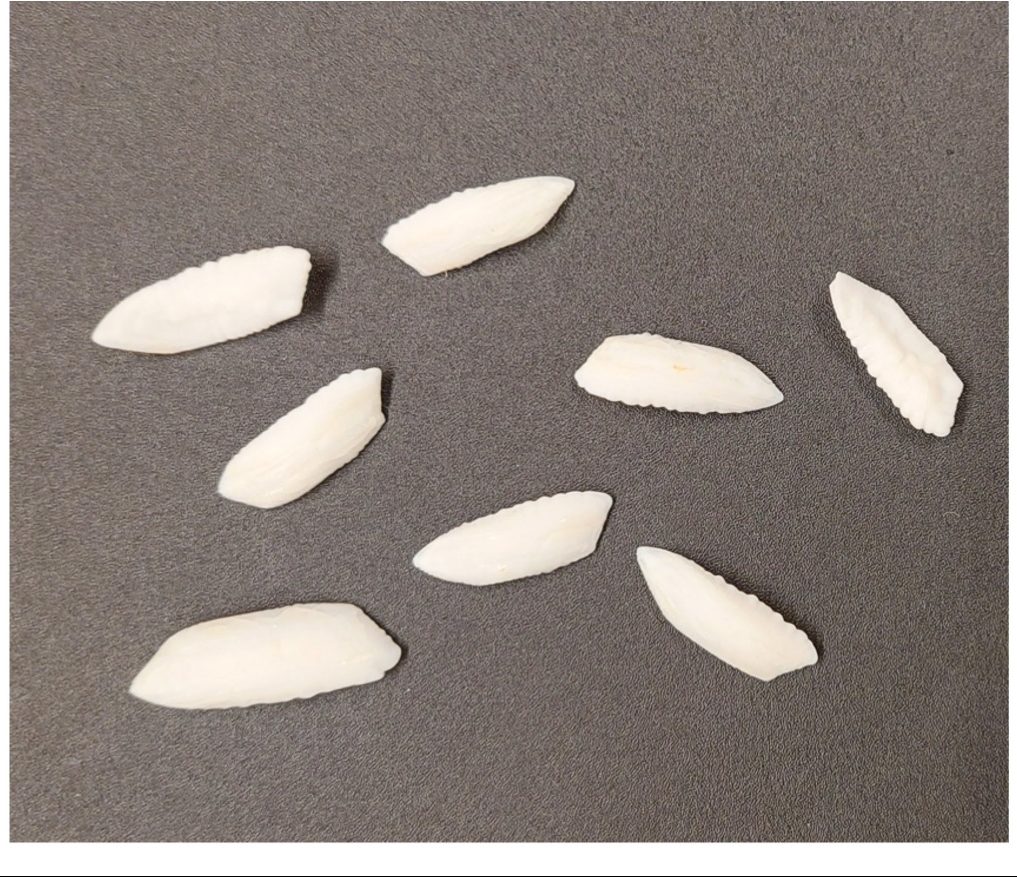
Applications are invited from suitably qualified students for one MSc student position in Aquatic Biology and Fisheries for 2026-2027 to work under the co-supervision of Prof Haseeb Randhawa (Faculty of Life and Environmental Sciences), Dr Ingibjörg G. Jónsdóttir, and Dr Bjarki Þór Elvarsson (Marine and Freshwater Research Institute). Haddock is one of the main commercial demersal species in Iceland. While it‘s managed as a single stock, recent biological indicators like parasite fauna and life history traits suggest the potential for sub-populations. Otolith shape analysis, a technique that leverages phenotypic differences in fish from distinct environments, has been successfully applied to identify spawning components in various fish species. By examining spatial and temporal variations in haddock otolith shape, this study aims to delve deeper into the stock‘s structure. Otoliths from MFRI archive will be utilized for this study. This project can be tailored to both BS and Masters level: BS project with a focus on spatial variability within a single year or a Master‘s project by exploring both spatial and temporal variability. By gaining a better understanding of haddock stock structure, this research can contribute to more effective fisheries management and conservation efforts. The project will fit within the theme of Fisheries Ecology. Candidates should have interests in Marine Biology, Fisheries Ecology, or Stock Identification. More importantly, candidates should be highly motivated and enthusiastic about research involving dissecting fish. It is anticipated that this study could lead to a manuscript for publication. Application information is found at the bottom of this page.
Do marine protected areas reshape fish parasite communities?:
Parasites as indicators of ecological change in the North Sea
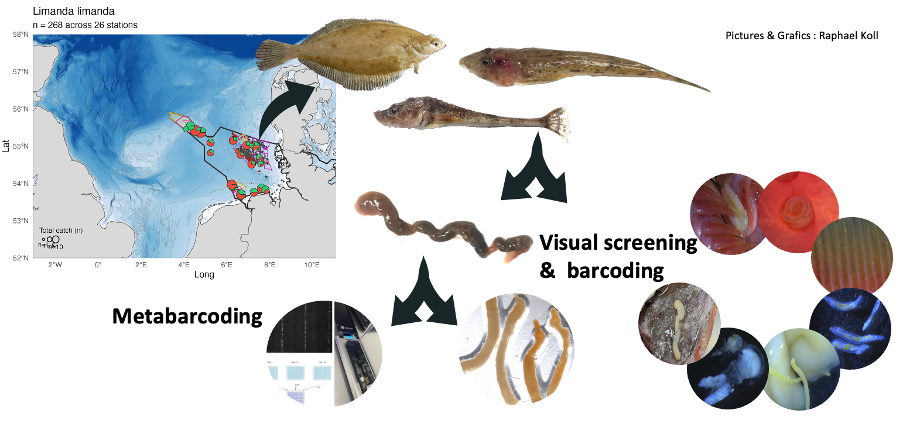
Applications are invited from suitably qualified students for one MSc student position in Aquatic Biology and Fisheries for 2026-2027 to work under the co-supervision of Prof Haseeb Randhawa (Faculty of Life and Environmental Sciences), and Prof. Flemming Dahlke and Dr. Raphael Koll (University of Hamburg). Marine protected areas provide a unique opportunity to investigate how reduced fishing disturbance affects fish communities, trophic interactions and associated parasite assemblages. Within the German North Sea, the SchuFi and NikoFin projects are developing approaches for the conservation and long-term monitoring of non-commercial fish species in three offshore nature reserves. The newly established no-fishing zones, particularly the exclusion of bottom-contact fishing, may alter benthic communities and food webs and thereby also influence parasite diversity and composition. Existing studies provide baseline information that allows potential changes over recent decades to be assessed. The MSc project will focus on one or two non-commercial target fish species, such as dragonet, hooknose, gurnard, solenette or scaldfish. Parasite communities will be characterized through visual screening and DNA barcoding and complemented by metabarcoding of stomach and intestinal contents or selected tissues using COI and 18S markers. Diet and parasite composition will be compared between methods and related to habitat characteristics and trophic interactions. Frozen fish from spring and autumn 2026 are already available, and depending on timing, the student may also participate in a North Sea sampling campaign in spring or autumn 2027. The project is embedded in research supported by the German Federal Agency for Nature Conservation (BfN) and is particularly suited to students interested in marine ecology, biodiversity monitoring and applied conservation. It offers broad methodological training combining classical fish dissection and taxonomic work with molecular laboratory techniques, DNA barcoding, metabarcoding and bioinformatic analyses. A substantial part of the project will be conducted in Hamburg; students should therefore be willing to join the research group in Germany for several months and arrange funding through an Erasmus+ traineeship (minimum two months).
_________________________________________________________________________________________________________________________________
Genetic diversity in the mitochondrial genome of Icelandic salmon
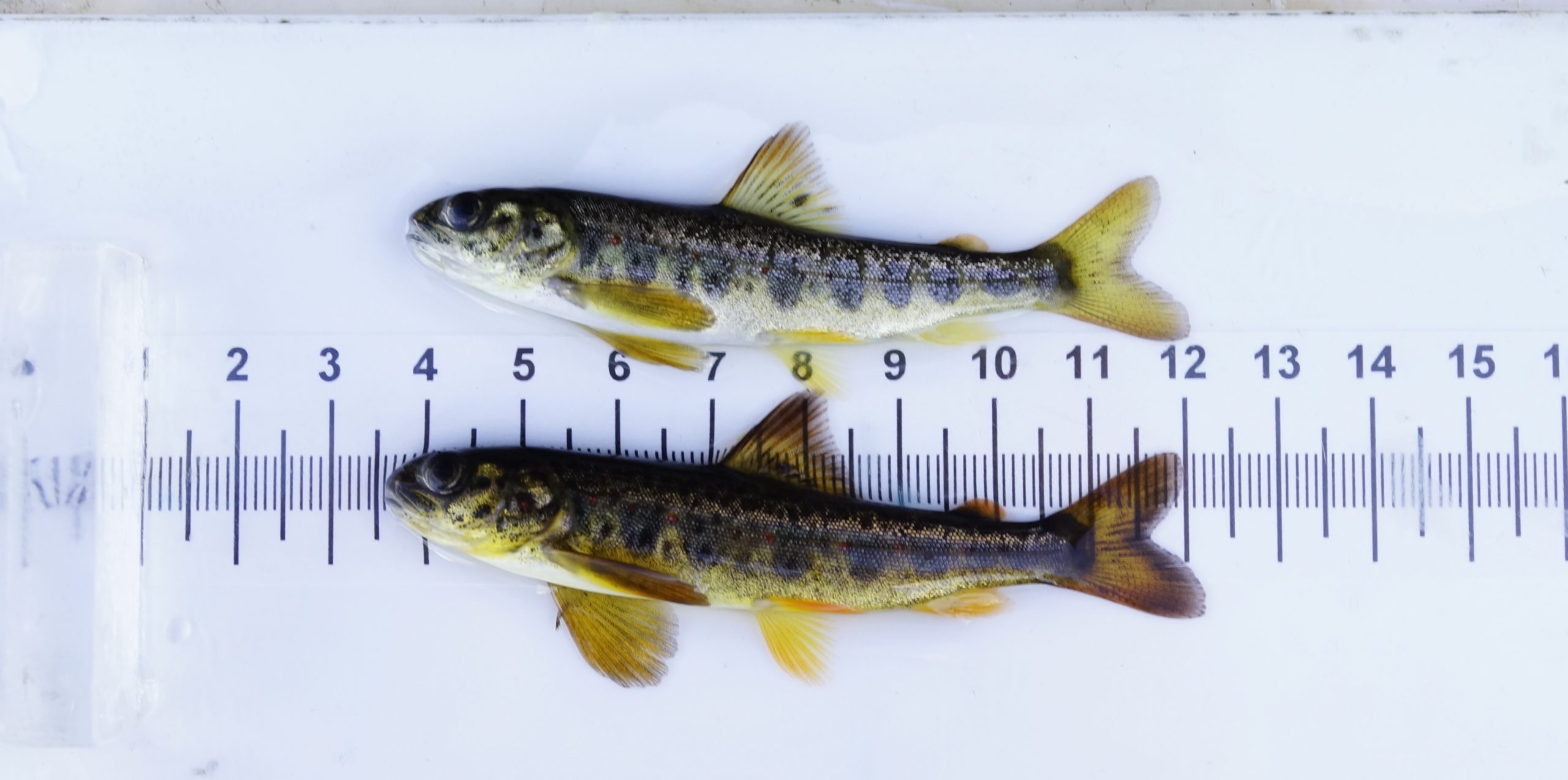
Applications are invited from suitably qualified students for one MSc student position in Aquatic Biology and Fisheries at the University of Iceland for 2026-2027 to work under the supervision of Professor Arnar Pálsson (Biology) in collaboration with Áki Jarl Láruson (Freshwater and Aquaculture Division, Hafró), Katrín Halldórsdóttir (Biomedical Centre, University of Iceland), and Leó Alexander Guðmundsson (Freshwater and Aquaculture Division, Hafró). The central aim of the project will be to characterize the diversity within the mitochondrial genome of salmon collected across Iceland and possible shifts in genetic composition within select stocks. The student will be tasked with isolating DNA from multiple contemporary and historical samples from the collections of the Marine and Freshwater Research Institute in order to sequence complete mitochondrial genomes. The projects will fit within the theme of Freshwater Ecology or Genetics. Candidates should have interests in Freshwater Ecology or Molecular Biology and be motivated and enthusiastic about this research. The successful applicant may have opportunities to collaborate on other projects running concurrently within this research group. Applicants who would like to tackle this project should send a copy of their CV and a brief introduction which higlights their interest in the project to aki.jarl.laruson@hafogvatn.is. Application information for admission into the MS program in Aquatic Biology and Fisheries is found at the bottom of this page.
_________________________________________________________________________________________________________________________________
Genetic variation in Atlantic salmon
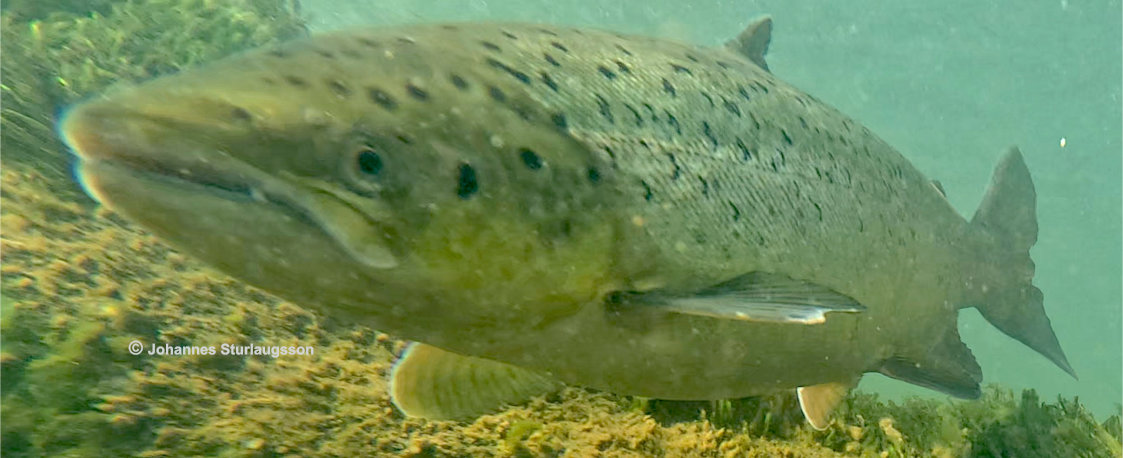
Applications are invited from suitably qualified students for one or two MSc student positions in Aquatic Biology and Fisheries for 2026-2027 to work under the supervision of Professor Snæbjörn Pálsson (Biology) in collaboration with Jóhannes Sturlaugsson (Laxfiskar). With radseq sequencing we have identified genotypes based on more than 20,000 polymorphic sites of wild salmons from different rivers in Iceland and escapees from open-net aquaculture farms. Currently we are developing a simple PCR-method to identify the escapees, if successful one of the Masters-projects would focus on identifying escapees, both by analysing DNA from fin clips and from environmental water samples collected from salmon rivers, but a further development of the method will also be needed. A second project would focus on analysing existing and new data with respect to relatedness between individuals and population structure within the river Elliðaá and its tributaries. The projects will fit within the theme of Marine Ecology or Fisheries Ecology. Candidates should have interests in Marine or Fisheries Ecology and be motivated and enthusiastic about this research. The successful applicant may have opportunities to collaborate on other projects running concurrently within this research group. Application information is found at the bottom of this page.
____________________________________________________________________________________________________________________________________
Hypoxia, cellular messaging and embryonic development in aquacultured Atlantic salmon
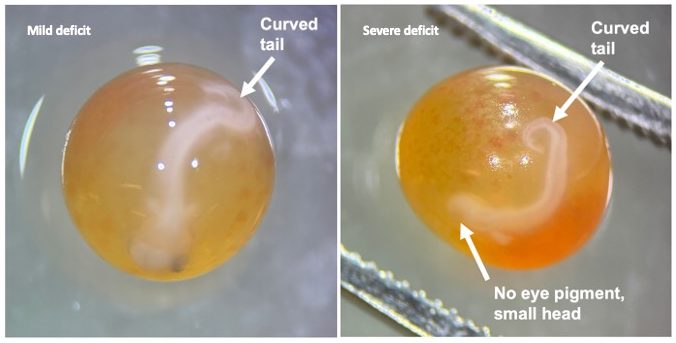
Applications are invited from suitably qualified students for one MSc student position in Aquatic Biology and Fisheries for 2026-2027 to work under the supervision of Dr. Adam Ray Smith (Life Sciences Institute) in collaboration with Professor Zophonías Oddur Jónsson (Biology). The student will collaborate directly with a current Ph.D. student on a project focusing on how decreased oxygenation levels during incubation impacts the development of salmon embryos as well as the genetic mechanisms that underlie any developmental responses to environmental changes. The student will be involved in two main aspects of the project: (1) determining adverse developmental effects from short-term hypoxic events during incubation, and (2) analysing whole-embryo transcriptomic data from an experiment where we will disrupt the function of key developmental cell signalling pathways that are hypoxia-responsive. The student will be expected to learn key techniques in developmental and molecular biology to complete their studies. This project is focused on understanding how aquaculture production conditions can be optimized for improved animal welfare and productivity. Candidates should contact Dr. Smith (adamray@hi.is) for further information and attach a curriculum vitae with their initial email.
_________________________________________________________________________________________________________________________________
Population and ecological genomics of the seashore pioneer plant Honckenya peploides across Iceland's volcanic coasts
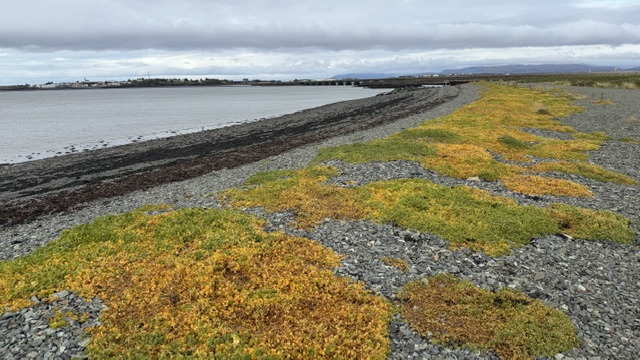 Applications are invited from suitably qualified students for TWO MSc student positions in Aquatic Biology and Fisheries for 2026–2027 at the University of Iceland to work under the supervision of Prof. Victor A. Albert (Faculty of Life and Environmental Sciences). The projects will form part of the Icelandic Research Fund (Rannís)-funded project “Genomic Architecture of Rapid Adaptation in the Pioneer Plant Honckenya peploides: How Polyploidy, Aneuploidy, and Tandem Duplications Drive its Success on Iceland’s Volcanic Coasts.” Honckenya peploides (sea sandwort; fjöruarfi) is a salt-tolerant pioneer plant of Icelandic shorelines that thrives in saline, nutrient-poor, sandy and tephra-rich habitats, stabilizes coastal sediments through extensive rhizomes, and was among the earliest vascular plants to colonize Surtsey. As a seashore species whose seeds and vegetative material can be transported along coastlines and among islands by seawater, it also provides a direct link between terrestrial plant evolution and aquatic dispersal processes. The broader aim is to understand how coastal plants establish and spread through dynamic environments, and how variation in chromosome number, gene duplication and single nucleotide mutations contributes to adaptation. One MSc student will conduct field sampling around Iceland’s coastline, collect plant material, extract DNA for Illumina whole-genome sequencing, map sequence reads to the project reference genome, and call single nucleotide polymorphisms to investigate geographic, morphological and ecological correlates of genetic variation. The second MSc student will work in parallel to measure the morphological and ecological variables needed to link genomic variation to phenotype and habitat, including traits of plant form, substrate and coastal environment. A particularly important study area will be the Vestmannaeyjar, where Honckenya shows striking diversity in morphology and ploidy. The two MSc students will work closely together and with the project’s PhD student, who will construct a high-quality pangenome using long-read sequencing and oversee the bioinformatic integration of population, morphological and ecological data. Together, the team will test how seashore plants in disturbed and ever-changing volcanic environments adapt through whole-genome duplication, other chromosome-number changes, gene duplication and single nucleotide variation. The projects are especially suitable for students interested in aquatic and coastal biology, plant ecology, evolutionary biology, invasion biology, population genetics or ecological genomics. Prospective students should contact Prof. Victor A. Albert at victoralbert@hi.is and include a brief description of their interests and a curriculum vitae. Photo by Victor Albert.
_________________________________________________________________________________________________________________________________
Comparative genomics of the aquatic carnivorous plant Utricularia minor in Iceland
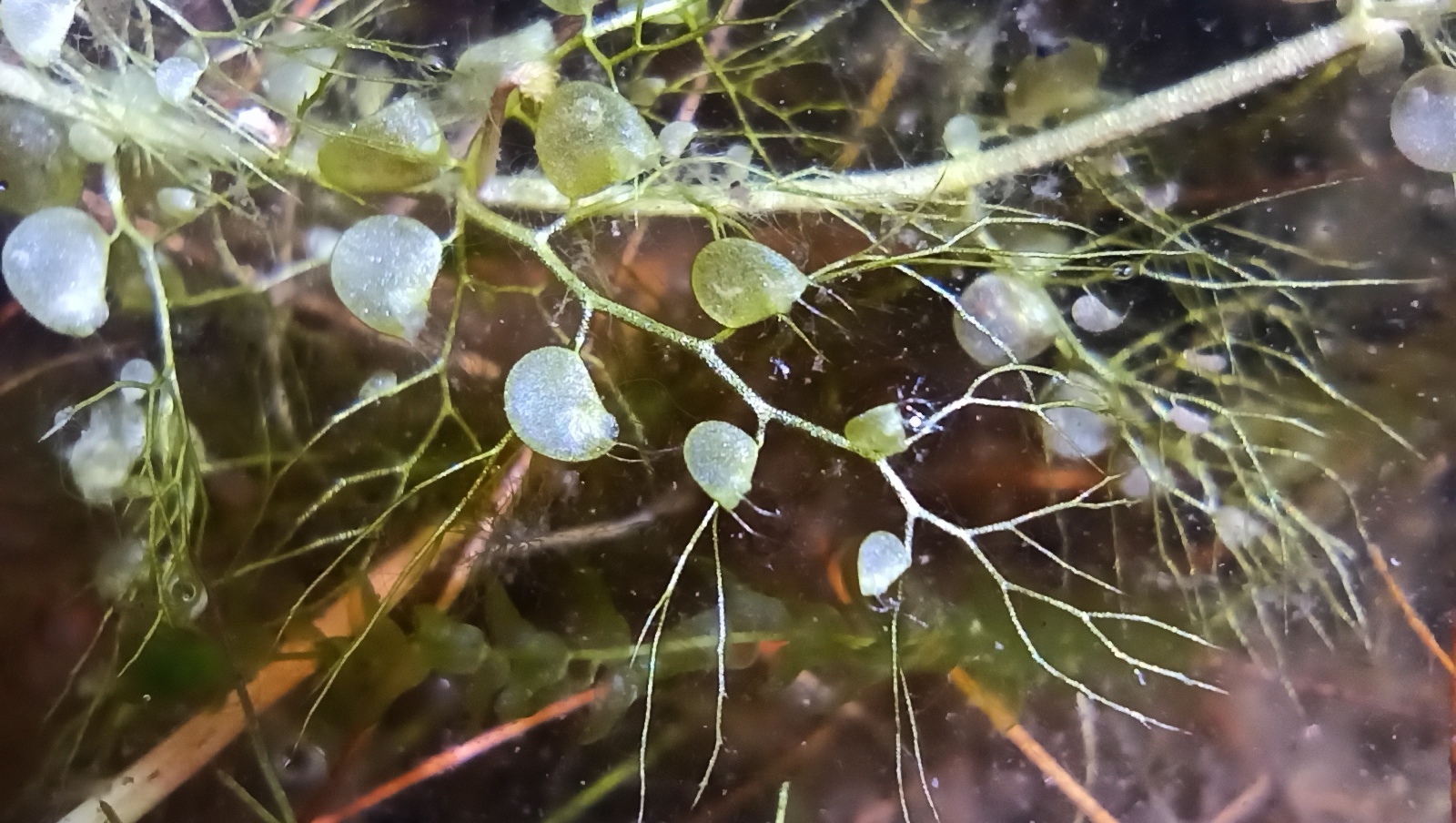
Applications are invited from suitably qualified students for ONE MSc student position in Aquatic Biology and Fisheries for 2026–2027 at the University of Iceland to work under the supervision of Prof. Victor A. Albert (Faculty of Life and Environmental Sciences). The project will focus on Utricularia minor (lesser bladderwort; blöðrujurt), a rootless aquatic carnivorous plant that produces tiny suction traps capable of capturing and digesting microcrustaceans and other small aquatic organisms. Prof. Albert’s research group led the first Utricularia genome sequencing project, published in Nature in 2013, and has since sequenced approximately 15 additional species in the genus. This broader research program seeks to understand how the genomic basis of carnivory varies among species, how differences in genome size and whole-genome duplication may contribute to species-level diversity, and which genomic features are associated with the aquatic habit. One particularly striking example is the loss in Utricularia gibba of a key gene involved in root initiation and growth; because Utricularia species lack true roots, comparison across the genus offers an opportunity to ask whether this loss is universal or whether different species have reached the same rootless condition through different genomic routes. Iceland provides an especially interesting setting for studying U. minor. The species appears to reproduce largely through asexual vegetative propagation in nature, whereas flowering forms are known particularly from geothermal habitats such as Reykjadalur valley, raising questions about whether reproductive mode, habitat and genomic variation are connected. The MSc student will generate a high-quality genome sequence from at least one Icelandic U. minor individual using long-read sequencing technology and compare this genome with those of other Utricularia species using bioinformatic and comparative genomic approaches. Depending on available funding, it may also be possible to sequence additional Icelandic individuals representing predominantly asexual and sexually reproducing populations. The project is particularly suitable for students interested in aquatic biology, carnivorous plants, evolutionary genomics, genome evolution, adaptation, plant reproduction or bioinformatics. Prospective students should contact Prof. Victor A. Albert at victoralbert@hi.is and include a brief description of their interests and a curriculum vitae. Photo by Marcos Perille Seoane.
_________________________________________________________________________________________________________________________________
Diversity of freshwater invertebrates in Lake Mývatn’s cave system
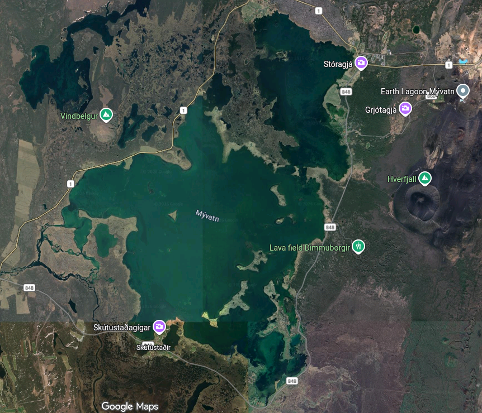
Applications are invited from suitably qualified students for one MSc student position in Aquatic Biology and Fisheries for 2026-2027 to work under the supervision of Prof Snæbjörn Pálsson (Faculty of Life and Environmental Sciences) and Prof Bjarni Kristjánsson (University of Iceland at Hólar). eDNA will be used in combination with traditional methods to assess invertebrate diversity in ponds in caves near lake Mývatn in North Iceland (see figure below). The lake is famous for high productivity and diversity, and has been a subject of numerous studies in freshwater biology. DNA will be extracted both from species (mainly Cladocera) which have been identified by morphology and by freshwater samples obtained from six caves near the lake. The barcode, mtDNA-COI, will be sequenced from the individuals as well as from the environmental samples and assigned to taxonomic units by comparison with reference databases and the sequences obtained from the individual samples. Diversity within and among caves will be estimated and its variation analysed with respect to location and environmental variables. The result based on the DNA analysis will be compared with existing results of the species composition based on traditional methods using morphology.
_________________________________________________________________________________________________________________________________
Diet and parasites of porpoises
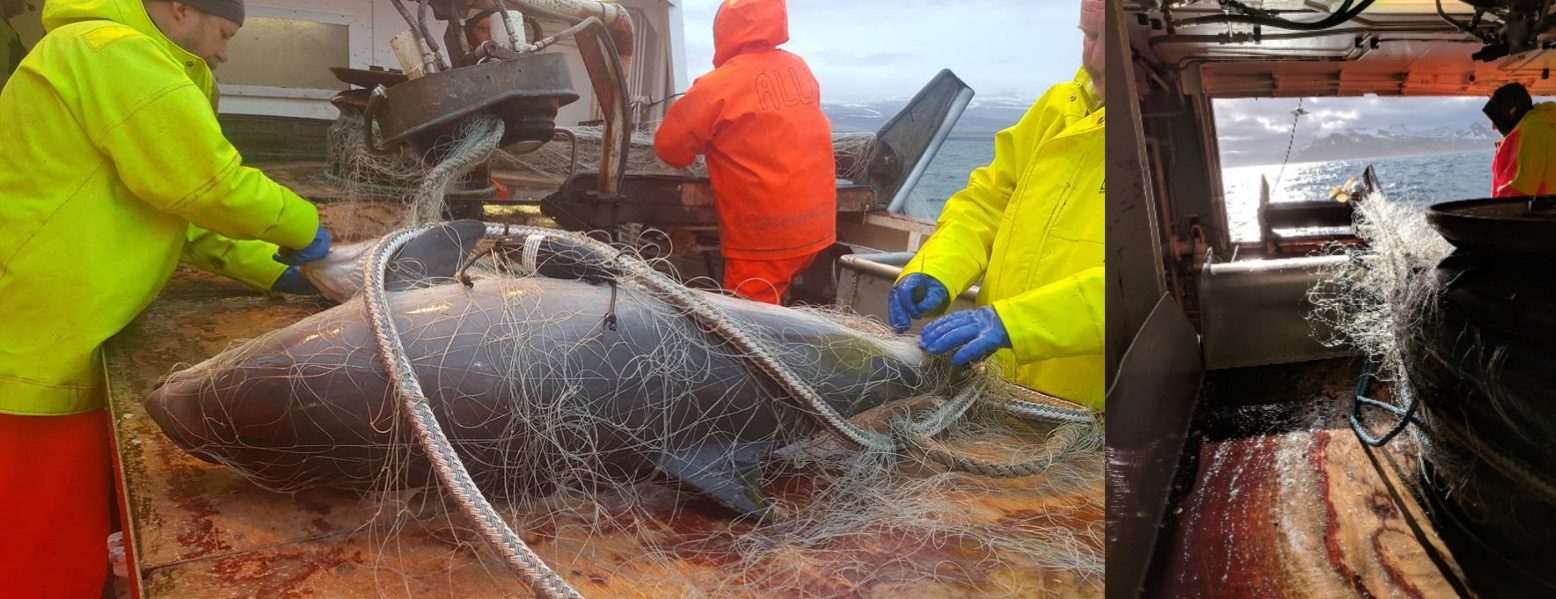
Applications are invited from suitably qualified students for two MSc student positions in Aquatic Biology and Fisheries for 2026-2027 to work under the primary supervision of Prof Haseeb Randhawa (Faculty of Life and Environmental Sciences) in collaboration with Dr Guðjón Már Sigurðsson (Marine and Freshwater Research Institute, MFRI, Iceland). The focus of the project is to investigate the biology/ecology of porpoises in Icelandic waters. The project would consist of participating in the MFRI gillnet survey in early 2025, help with collecting of porpoises caught as bycatch, and participate in the necropsy of these animals to retrieve biological samples. One of the MSc student will work on a quantitative analysis of the diet of porpoises, whereas the second MSc student will describe the porpoises' parasite fauna. Access to laboratory facilities, training, and local expertise will be provided. The project will fit within the themes of Fisheries Ecology and Trophic Ecology and could form the basis for a larger study (PhD project). Candidates should have interests in Marine Ecology, Fisheries Ecology, or Parasitology. More importantly, candidates should be highly motivated and enthusiastic about this sort of research. The successful applicant may have opportunities to collaborate on other projects running concurrently within the Parasitology and Fisheries Ecology research Group. It is anticipated that this study could lead to a manuscript for publication. Application information is found at the bottom of this page.
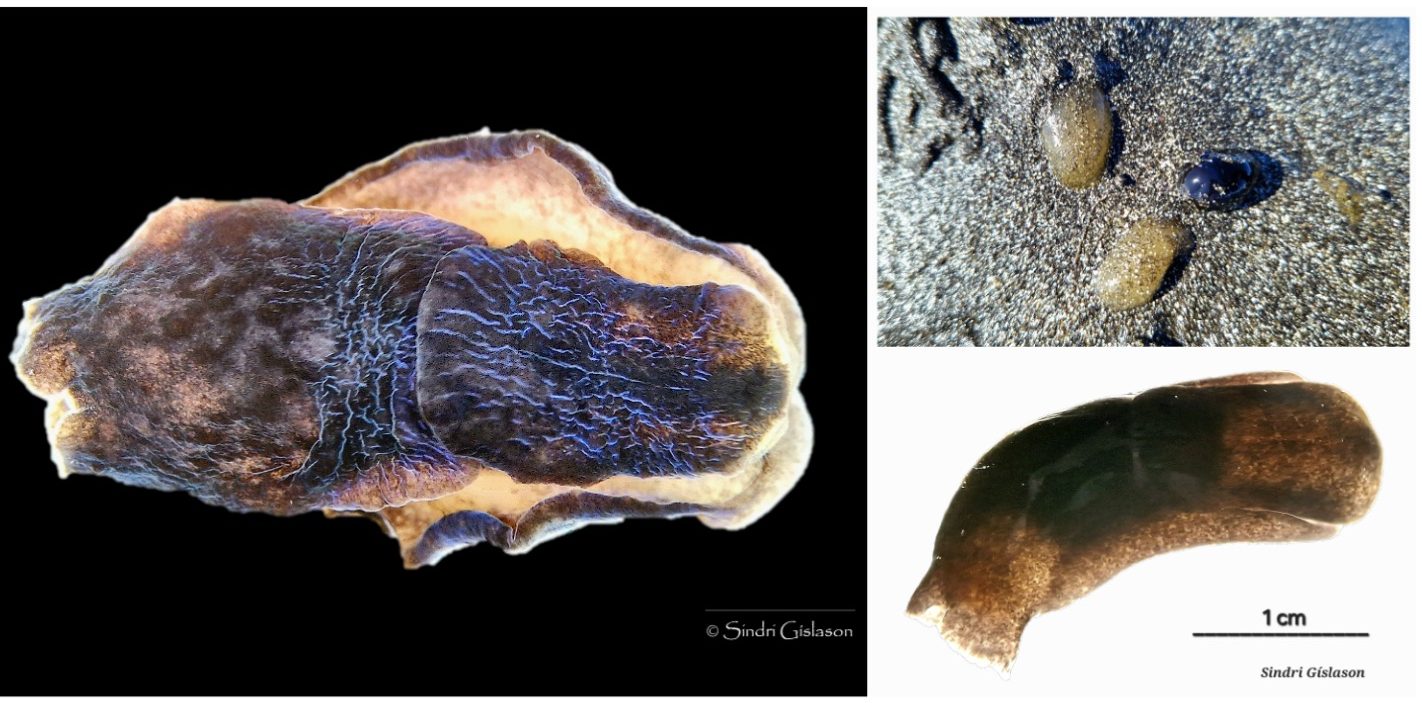
Parasitic diversity in Melanochlamys diomedea (Bergh, 1894) in Iceland:
Investigating native and non-indigenous parasites
Applications are invited from suitably qualified students for one MSc student positions in Aquatic Biology and Fisheries for 2026-2027to work under the supervision of Haseeb Randhawa (hrandhawa@hi.is), Professor at Háskóli Íslands and expert in parasitology, and Dr. Sindri Gíslason (sindri@natturustofa.is) marine biologist and director of Náttúrustofa Suðvesturlands. The sea slug Melanochlamys diomedea (Bergh, 1894), originally native to the Pacific Ocean, was first recorded in Iceland in 2020, marking its initial appearance in the North Atlantic. As a non-native species now present in Icelandic waters, its ecological impact is still poorly understood, particularly regarding its interactions with local ecosystems and potential parasitic relationships. The primary goal of this project is to document and analyse the parasitic community associated with Melanochlamys diomedea in its new environment. Specifically, we aim to:
- Identify any parasitic organisms present in the sea slug, including protozoans, helminths, and ectoparasites, through a combination of morphological and molecular techniques.
- Determine the origin of the parasites—whether they are native to Icelandic marine ecosystems or were introduced along with the sea slug.
- Assess the potential ecological implications of parasitic infections in Melanochlamys diomedea, particularly whether this non-indigenous host could act as a new host species for local parasites or disrupt existing host-parasite relationships.
- Evaluate the broader ecological impact of this species' introduction, considering how parasitism in Melanochlamys diomedea may affect its survival, reproduction, and interactions with other marine organisms in Icelandic waters.
This study will provide critical insights into the role of invasive species as hosts for native and non-native parasites, which is essential for understanding the dynamics of ecosystem health and species interactions in a changing marine environment. By documenting the parasitic fauna of M. diomedea, the project will contribute valuable data to the fields of parasitology, marine biology, and conservation science, particularly in relation to the effects of species introductions on native marine biodiversity. It is anticipated that this study could lead to a manuscript for publication. Application information is found at the bottom of this page.
Morphological variation in fossil and extant Common whelk Buccinum undatum
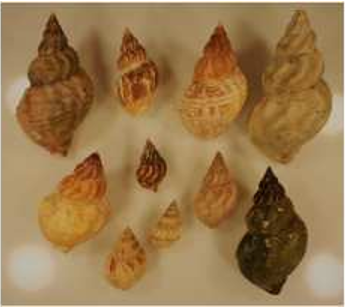 Applications are invited from suitably qualified students for one MSc student position in Aquatic Biology and Fisheries for 2026-2027 to work under the supervision of Prof Snæbjörn Pálsson (Faculty of Life and Environmental Sciences). Common whelks show a clear phylogeographic pattern in the North Atlantic with distinct genetic lineages or cryptic species in N-America and Europe. The split of the main lineages, based on mtDNA variation, dates back to the onset of Ice Age ~ 2.7 million years ago. Within Iceland populations differ genetically along the coast, both with respect to geographic distance and with depth. This variation is also reflected to vaying degree in morphology: colors, number of stripes and in shape of the cones. In this study, variation in cones obtained from fossiliferous marine sediments of the Tjörnes beds in North Iceland, which have served as a biological indicator of the region's ancient climate history, will be studied and compared to the modern populations. The sediments where the fossilized cones are found date back to before Ice Age, 3.2-5.2 million years. Photos will be taken of the fossil samples, and ShapeR (a R-package developed in my lab to analyse variation in otolith shape variation and population structure in herring) will be used to analyse how their variation differ from modern populations. Further information is available from Snæbjörn Pálsson, professor in population biology (snaebj@hi.is).
_________________________________________________________________________________________________________________________________
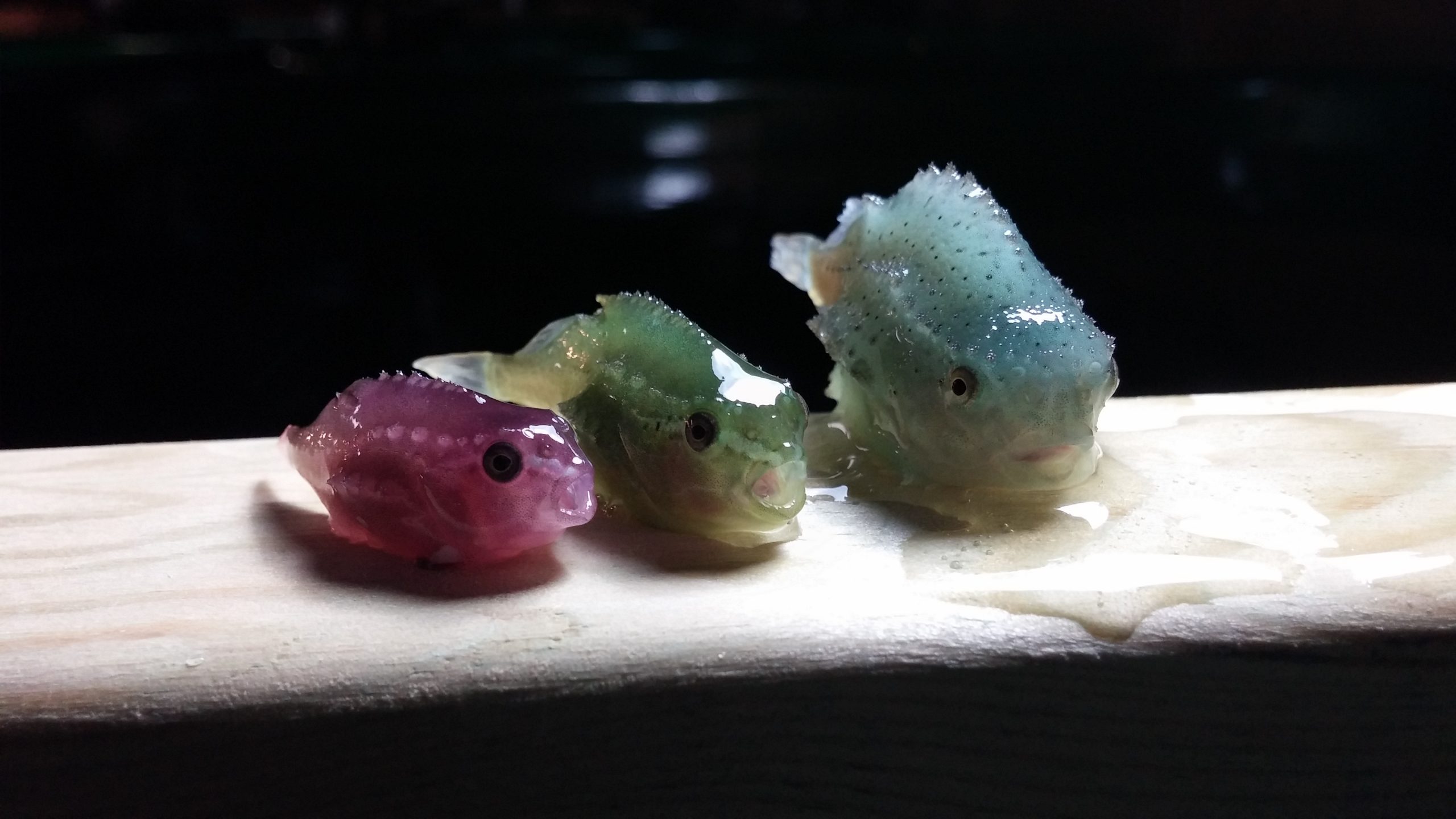
Parasites of lumpfish
The lumpfish, Cyclopterus lumpus, is a scorpaeniform fish of commercial importance to the Icelandic economy. First, it is a prominent aquaculture species exported to Europe and North America to prey on sea lice infecting Atlantic salmon raised in sea cages. Second, it is harvested for its roe that is sold as caviar. Despite the economic importance of the Icelandic lumpfish, its metazoan parasite fauna is poorly known, as research has mostly focused on microorganisms of concern for the export of the species as cleaner fish or nematodes known to infect the roe. The aims of this project are to: (1) characterise the metazoan parasite fauna (ecto- and endo-parasites) of wild-caught Icelandic lumpfish using a combination of morphological and molecular tools (e.g. barcoding via Sanger sequencing); and (2) link the presence of trophically-transmitted parasites to prey items recovered from lumpfish stomach contents. The internship will provide an opportunity to students to develop their fish necropsy, parasite identification, and molecular (e.g. DNA extraction, PCR, purification of PCR products) skills. The project would be carried out under the supervision of Prof Haseeb Randhawa (Faculty of Life and Environmental Sciences) at the University of Iceland. Application information is found at the bottom of this page.
Spatial ecology and conservation of marine turtles
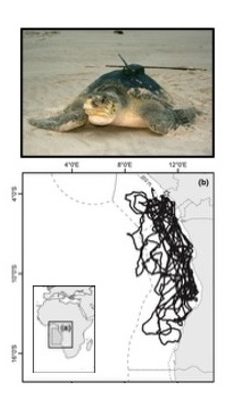
Applications are invited from suitably qualified students for one MSc student position in Aquatic Biology and Fisheries for 2026-2027 to work under the supervision of Dr Sara Maxwell (Faculty of Life and Environmental Sciences). Satellite tracking has been used to study marine turtles for over two decades and has been an important tool for conservation and management of turtles and the human activities that impact them. This project will focus on two components related to satellite tracking and marine turtle conservation. First, the student will summarize literature associated with satellite tracking of marine turtles for a specific region of the world (e.g., the Caribbean or East Pacific Ocean). Second, the student will conduct spatial analyses using a satellite tracking dataset from that region of the world. The analyses will be determined based on available data and needs within the region of focus. This work will contribute to the ongoing Important Marine Turtle Areas process being conducted globally by the IUCN Marine Turtle Specialist Group over the coming 5 years. Candidates should contact Dr. Maxwell (saramm@hi.is) for further information and attach a curriculum vitae with their initial email.
_________________________________________________________________________________________________________________________________
Phylogeography of Common eider, Somateria mollissima in the North Atlantic
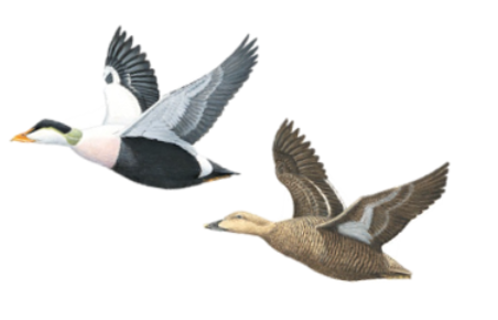 Applications are invited from suitably qualified students for one MSc student position in Aquatic Biology and Fisheries for 2026-2027 to work under the supervision of Prof Snæbjörn Pálsson (Faculty of Life and Environmental Sciences). Common eiders is a circumpolar marine duck species which is classified into several subspecies based on morphological variation. In this study, three of the subspecies, Somateria mollissima borealis, from Iceland and Svalbard, S. m. faeroensis from the Faroe Islands and S. m. mollissima from Norway will be studied by assessing whole mitogenomic DNA variation which has been obtained with whole genome sequences of about 100 individuals sampled over 70 years. The eider, an important species for eider down is the most common duck in Iceland and has previously been classified as a unique subspecies. The study is a part of a larger study in collaboration with Jón Einar Jónsson at the University of Iceland Research Centre in Stykkishólmur, and Elisabeth Knudsen PhD- student, looking into the evolutionary divergence of the populations based on variation in the whole genomes and morphology within the species. The dataset allows a comparison of the different datasets and evaluation of the philopatry and history of the populations, and will be compared to published results on the mtDNA from other areas within the species range and related species. Further information is available from Snæbjörn Pálsson, professor in population biology (snaebj@hi.is).
_________________________________________________________________________________________________________________________________
Spatial ecology of eider ducks in Iceland
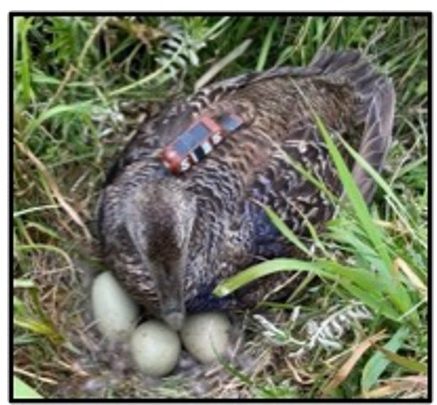 Applications are invited from suitably qualified students for one MSc student position in Aquatic Biology and Fisheries for 2026-2027 to work under the supervision of Dr Sara Maxwell (Faculty of Life and Environmental Sciences). Common eider (Somateria mollissima) down is considered the most expensive down in the world and down can be harvested from the nests of wild eiders without sacrificing individuals. Farmers throughout Iceland and other Nordic countries cultivate and protect large colonies of eiders, making them a species of economic and cultural importance. Fine scale GPS tracking and dive data of eider ducks was collected in 2025, and data on key habitat for these species is available from satellite imagery. The student who conducts this project will first conduct a literature review to determine diet and habitat associations of eiders globally. They will then use the 2025 tracking dataset to determine fine-scale associations of eider ducks with key seaweed species, using associated dive behavior to identify areas of probable foraging. Analyses will support the Ministry of Environment, Energy and Climate’s understanding of how to permit seaweed harvest in Iceland without impacting eider down harvest. The student for this project has experience with R and/or ArcGIS. Candidates should contact Dr. Maxwell (saramm@hi.is) for further information and attach a curriculum vitae with their initial email.
_________________________________________________________________________________________________________________________________
Bycatch and discards of fishes in the lumpsucker fishery in Iceland
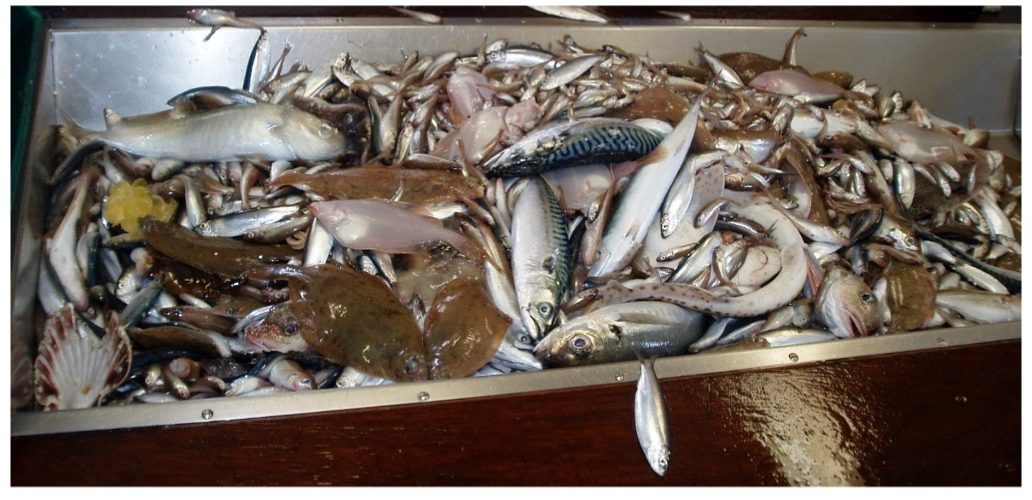
Applications are invited from suitably qualified students for a single MSc student position in Aquatic Biology and Fisheries for 2026-2027 to work under the supervision of Prof Haseeb Randhawa (Biology) in collaboration with Dr James Kennedy (Marine and Freshwater Research Institute, MFRI, Isafjörður). Lumpfish are targeted using bottom set gillnets around the coastal areas of Iceland. A significant quantity of other fish species are known to be caught in these gillnets with some of the bycatch being landed while some is discarded. Using landings data, the student will describe the species composition of landed bycatch and how it varies through the season, between areas and between years. Using data from fisheries observers, the student will examine the composition of bycatch and how it compares to the landed catch and estimate the level of discarding. There have several regulatory changes through time to reduce discarding, the effectiveness of these changes can be evaluated by checking if there is significant changes in the species composition of landings coinciding with their implementation. The goals are to: (1) document the species landed in the lumpsucker fishery and if this varies through the season, between years and between areas using landings data; and (2) examine observer data from Fiskistofa to detect if there is significant discarding of particular species and if there have been any significant changes in discarding over time. The project will fit within the theme of Fisheries Ecology. Candidates should have interests in Fisheries or Marine Ecology. More importantly, candidates should be highly motivated and enthusiastic about this sort of research. The successful applicant may have opportunities to collaborate on other projects running concurrently within my research group. Application information is found at the bottom of this page.
Predator-prey interaction: Lumpfish-jellyfish (the gelatinous food web)
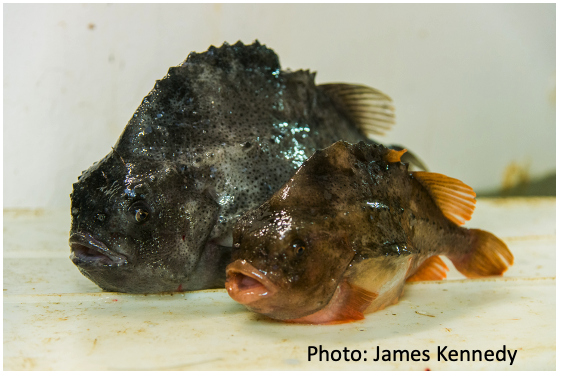
Applications are invited from suitably qualified students for one MSc student position in Aquatic Biology and Fisheries for 2026-2027 to work under the supervision of Prof Haseeb Randhawa (Biology) in collaboration with Dr Guðmundur Óskarsson and Dr James Kennedy (Marine and Freshwater Research Institute, MFRI, Iceland). Lumpfish are known to consume a variety of prey items found in the pelagic zone, with a significant quantity known to be gelatinous zooplankton species. However, the species that are consumed are unknown. In an attempt to examine this previously, stomach contents of lumpfish were preserved in ethanol, but this led to an inability to identify them morphologically. An alternative methodology will involve extracting DNA from the stomach contents and comparing this to DNA libraries of known species (metabarcoding). The main aim of this project is to describe the prey species consumed by lumpfish caught around Iceland during the mackerel and spring demersal surveys. The project will fit within the theme of Trophic Ecology. Candidates should have interests in Marine Ecology. More importantly, candidates should be highly motivated and enthusiastic about this sort of research. The successful applicant may have opportunities to collaborate on other projects running concurrently within my research group. Application information is found at the bottom of this page.
Ichthyophonus sp. outbreak in the Icelandic summer-spawning herring
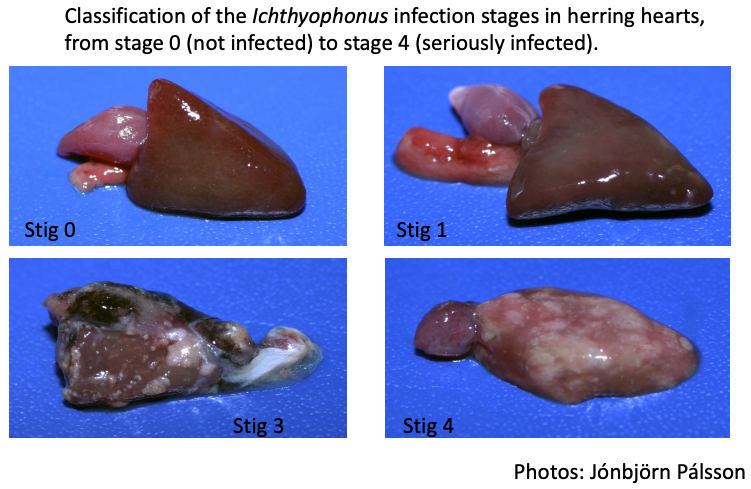
Applications are invited from suitably qualified students for one MSc student position in Aquatic Biology and Fisheries for 2026-2027 to work under the supervision of Prof Haseeb Randhawa (Biology) in collaboration with Dr Guðmundur Óskarsson, Dr Thassya C dos Santos Schmidt, Sigurvin Bjarnason, and Höskuldur Björnsson (Marine and Freshwater Research Institute, MFRI, Iceland). Ichthyophonus sp. outbreak in the Icelandic summer-spawning herring has been ongoing since 2008. Since 2008, the infection prevalence in the stock has been monitored annually, both from catch and survey samples. Moreover, the severity of the infection of each sampled individual has been recorded on basis of macroscopic inspection of the hearts. The outbreak has been having significant impacts on the herring stock size, but more accurate and in-deep estimations need to be done. This involves literature review and linking the data to previous research made on this outbreak. The main objective is to map the development of the outbreak in the herring stock, quantify the herring mortality rate, and the impacts of the outbreak on the stock size development. The work includes descriptive analyses of the available data, running stock assessment models for verifying the inter-annual and age specific mortality rates, and the impacts that the outbreak have had on the herring stock size. The data include individual estimation on infection severity (stage 0-4) along with traditional recordings (length, weight, age, maturity stage etc). The data are derived from both catch and survey sampling. In addition, there are various data from previous research projects related to this outbreak. The project will fit within the theme of Stock Assessment, Marine Parasitology, Fisheries Ecology or Epidemiology. Candidates should have interests in Parasitology, Fisheries Ecology or Marine Ecology. More importantly, candidates should be highly motivated and enthusiastic about this sort of research. The successful applicant may have opportunities to collaborate on other projects running concurrently within my research group. Application information is found at the bottom of this page.
Parasites of fin whale (Balaenoptera physalus)
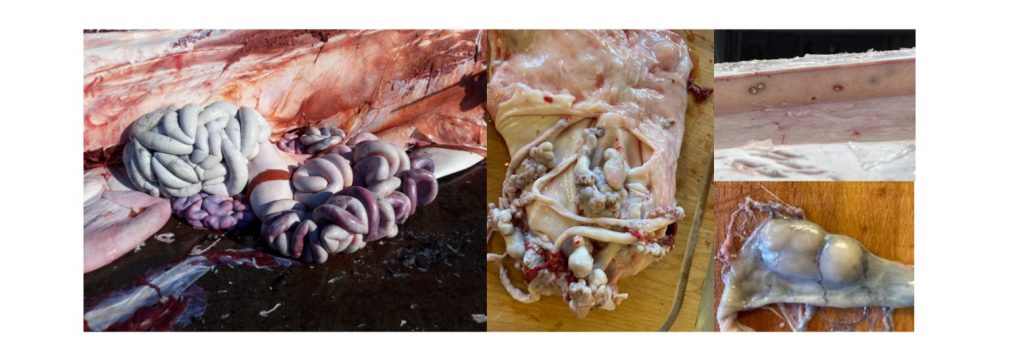
Applications are invited from suitably qualified students for TWO MSc student position in Aquatic Biology and Fisheries for 2026-2027 to work under the primary supervision of Prof Haseeb Randhawa (Biology) in collaboration with Valérie Chosson (Marine and Freshwater Research Institute, MFRI, Iceland). The MFRI has many unprocessed samples collected from fin whales dating back over two decades. The students will process some of this material to recover and identify parasites using both morphological and molecular methods. The project consists of a descriptive study to gain insights into the parasite fauna and ecology of this large cetacean in Icelandic waters and to establish a baseline catalogue of parasite diversity in fin whales. The student will have access to lab facilities, training, and local expertise on cetacean biology and ecology. The projects will fit within the theme of Marine Ecology and Parasitology. Candidates should have interests in Marine Ecology, Parasitology, or Marine Mammal Ecology. More importantly, candidates should be highly motivated and enthusiastic about this sort of research. The successful applicant may have opportunities to collaborate on other projects running concurrently within my research group. Application information is found at the bottom of this page.
How to apply
Initial enquiries should be made to Professor Haseeb Randhawa, email: hrandhawa@hi.is.
Applicants for MSc projects should send a cover letter stating briefly why they are interested in this project, together with the names, addresses, and e-mail of 2 referees. Candidates should also include a curriculum vitae. These documents should be sent electronically to Professor Haseeb Randhawa, email: hrandhawa@hi.is.
More information about the MSc study programme in Aquatic Biology and Fisheries at HI can be found at: