European Researchers' Night 2026 / Vísindavaka 2026
The Computer Science Department at the University of Iceland was at the European Researchers' Night 2026 / Vísindavaka 2026 on 26. September 2026, 12:00-17:00, at Laugardalshöll in Reykjavik.

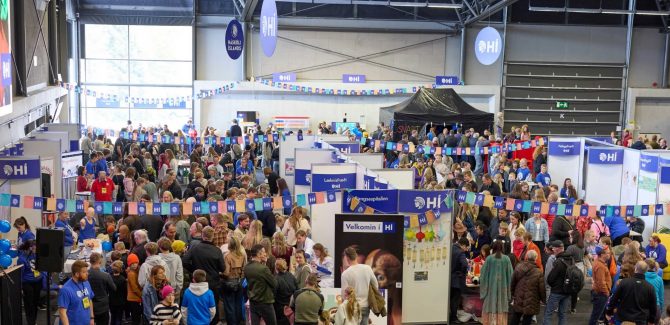
The above picture with the crowd shows only a quarter of the floor.
The Computer Science Department had a couple of booths there, showcasing our activities in a way accessible to the general public. More than 10 000 visitors came and many tried our interactive exhibitions:
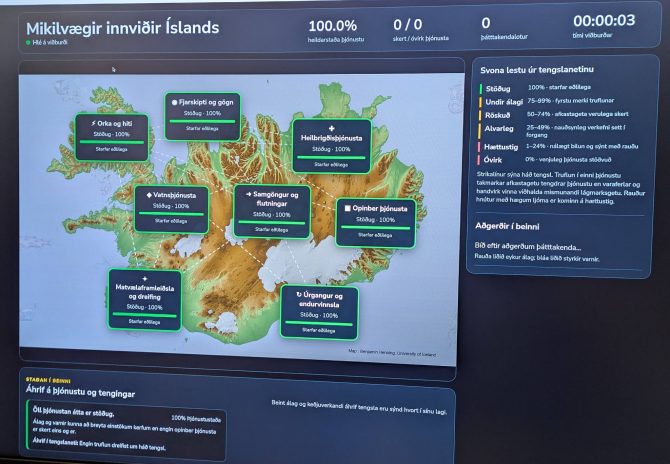
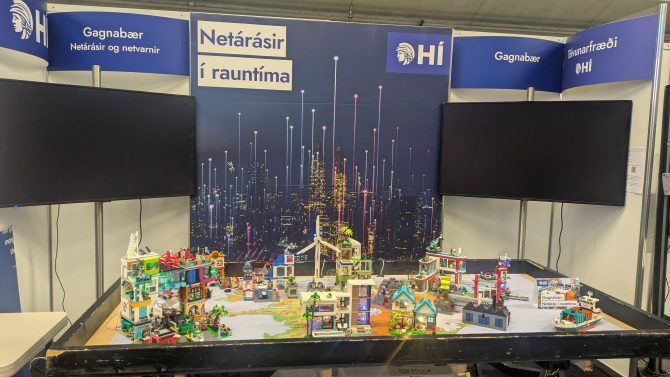
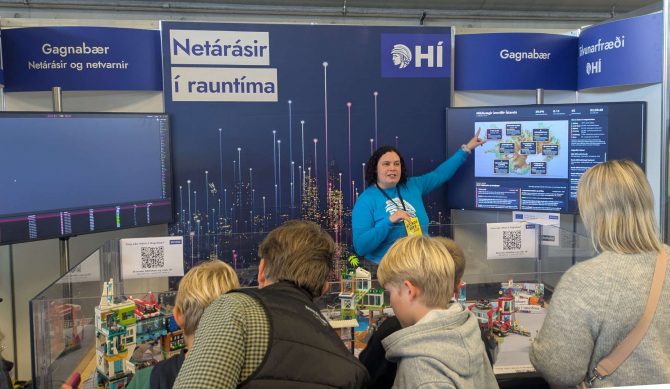
Gagnabær ("Datatown") digital twin together with a physical LEGO model of Iceland representing critical infrastructure. Users can interactively defend or attack critical infrastructure and learn that services influence each other: what does it help to defend the hospital if it does not get electricity (after running out of emergency power supply) or water because the utilities are under attack?!
The Ambassador of the European Union to Iceland, H.E. Clara Ganslandt, did visit our booth as this project is co-funded by the European Union and the European Cybersecurity Competence Centre.The video snippet below is an excerpt from the full video available at the Facebook page ESB - Evrópusambandið á Íslandi / European Union in Iceland:
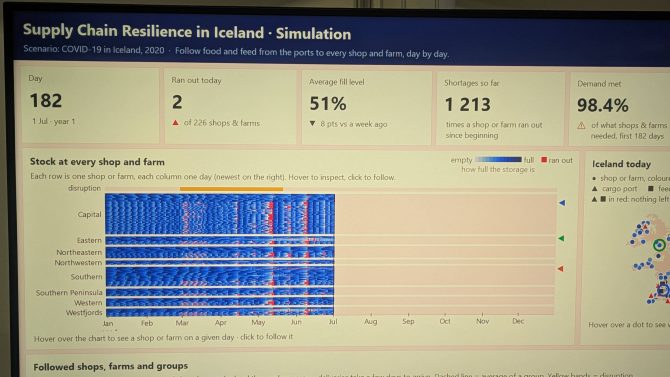
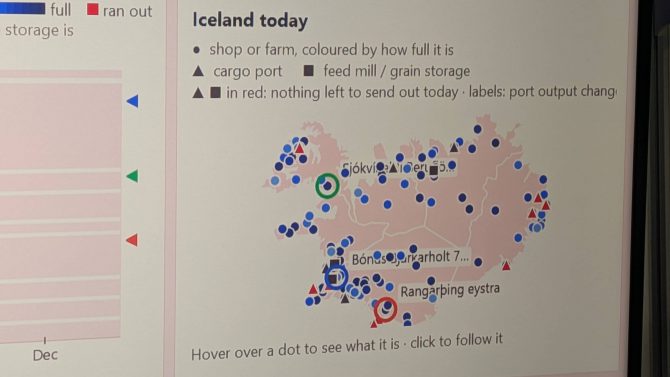
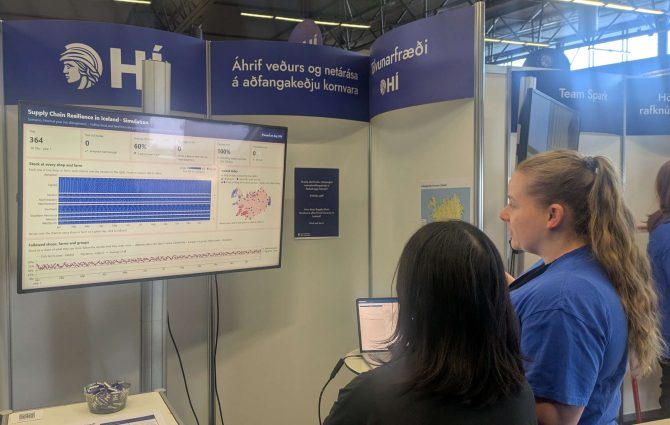
Food supply chains can not only be affected by pandemics, but also by cyber attacks: simulate when shops in Iceland would run out of stock.
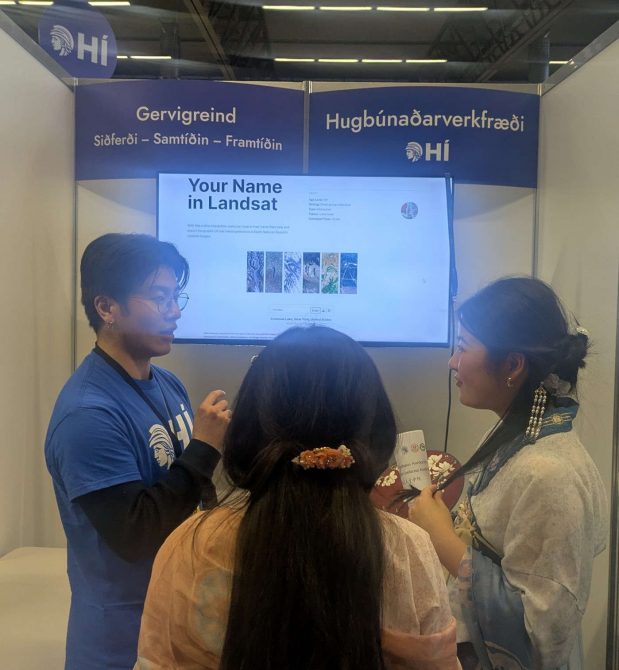
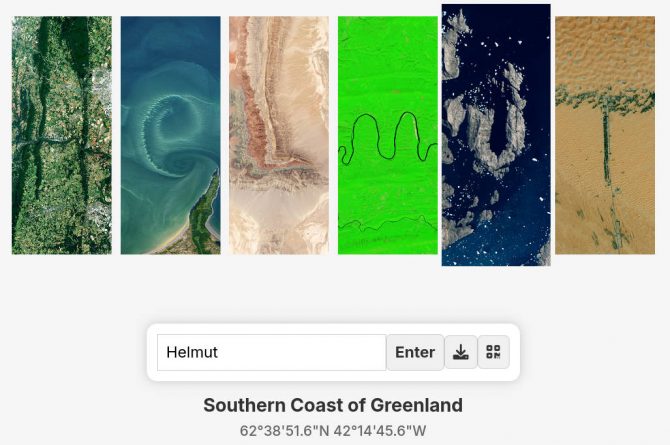
As University of Iceland is recognized as a global leader in remote sensing (according to the Shanghai subject ranking), we had a demo where Landsat satellite images that contain features that look like letters in the alphabet were used, so that could find Your Name in Landsat images. In the example, you can see the name Helmut spelled using, e.g., a U-shaped iceberg from Greenland.
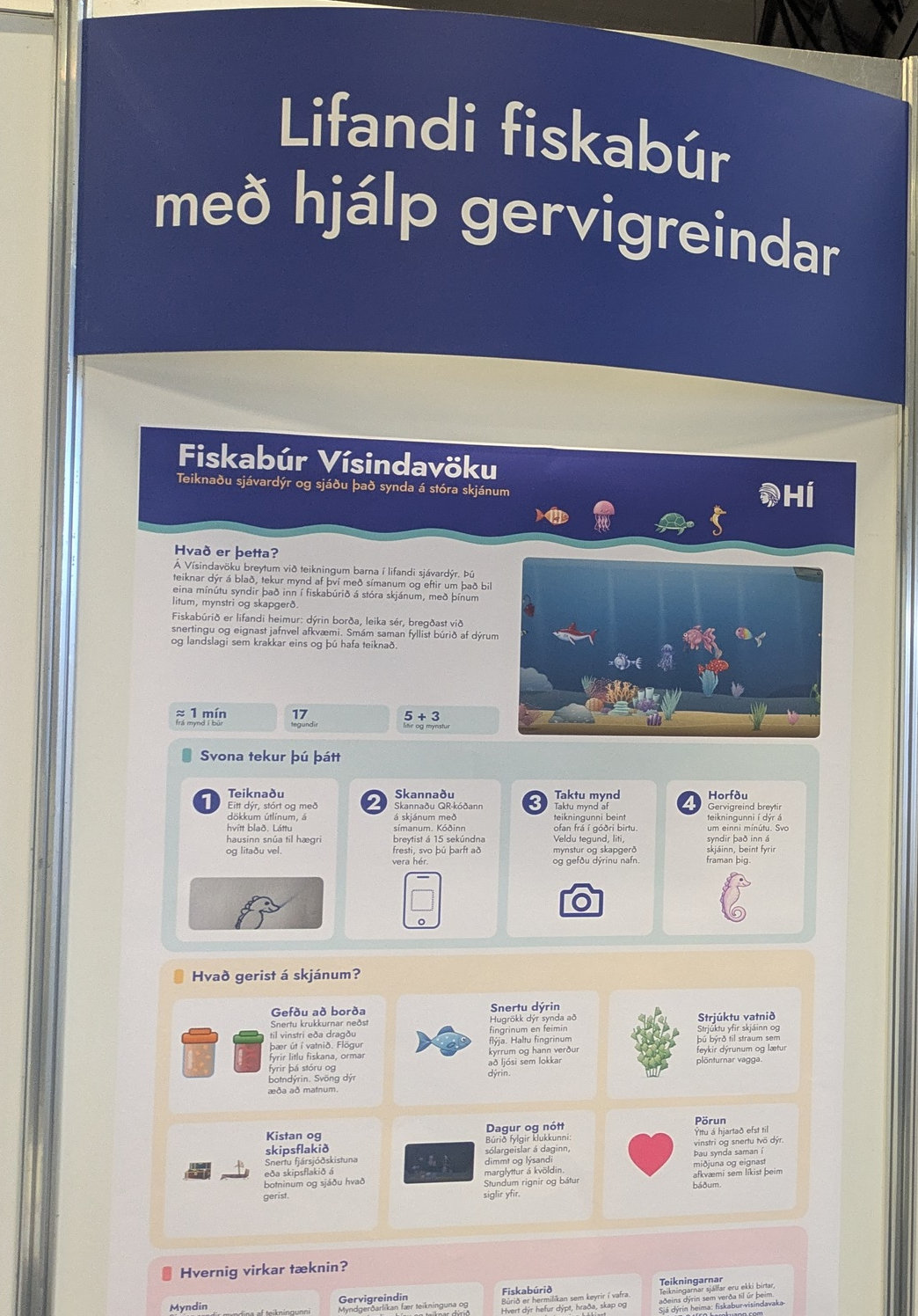
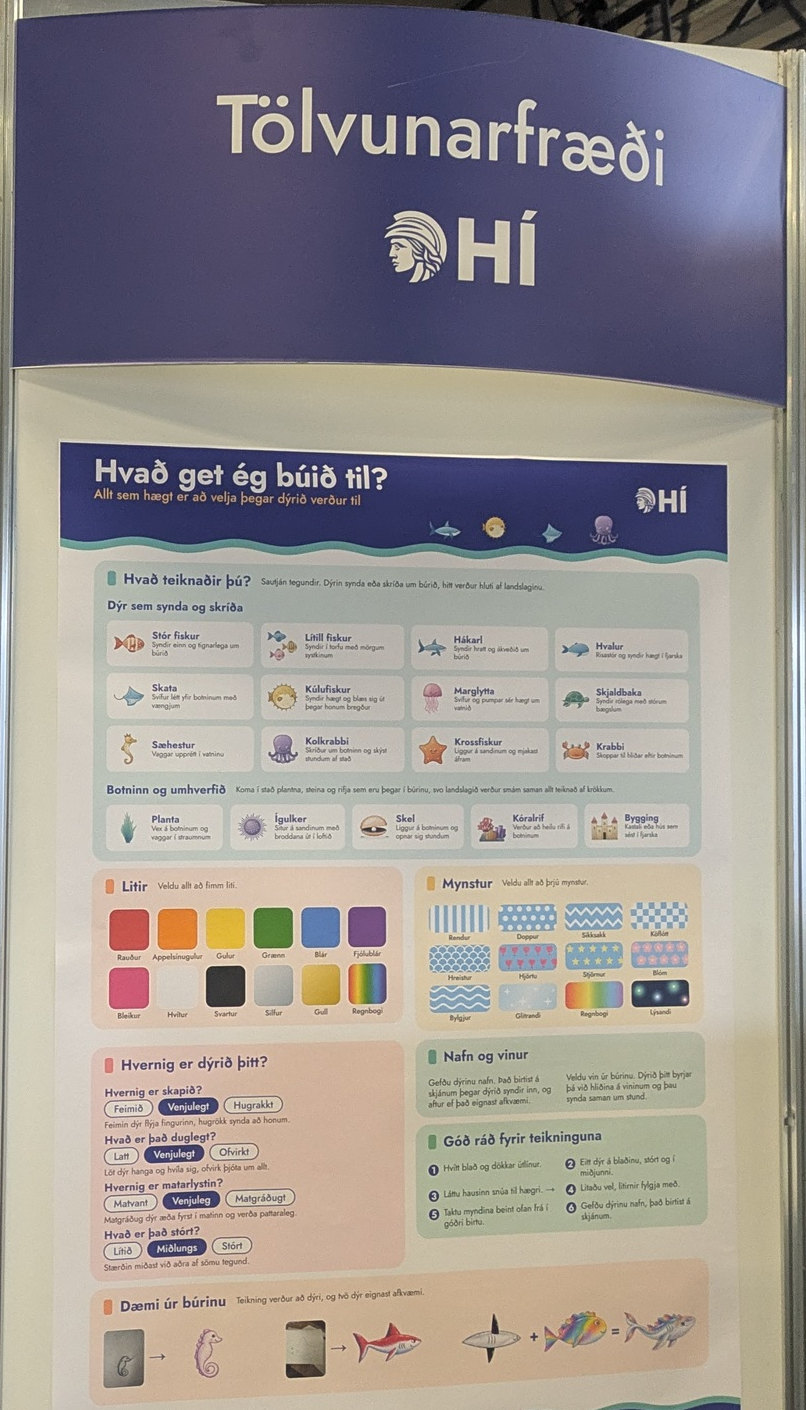
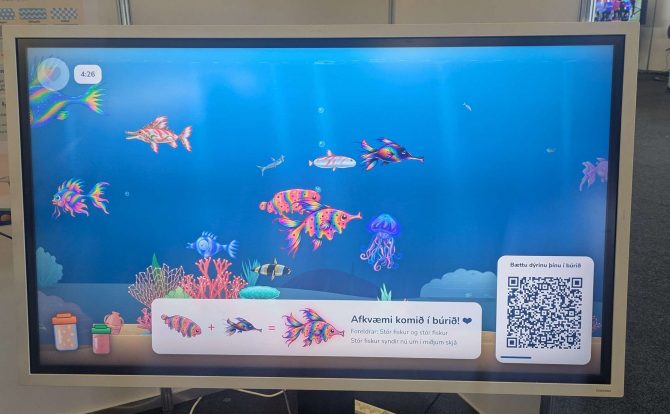
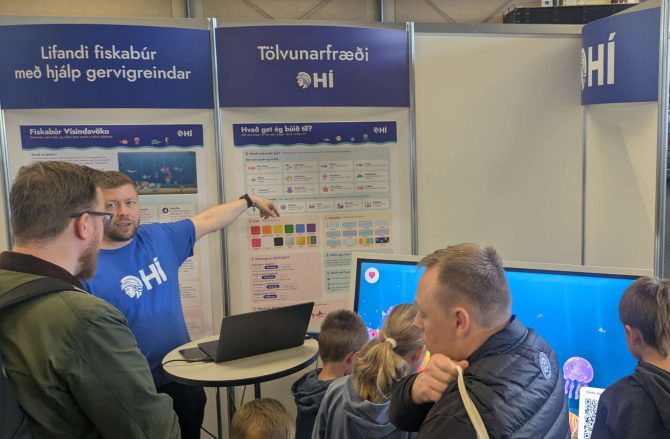
AI aquarium: draw you favorite underwater animal, take a photo, upload it to an AI, and see it swim and spawn in the virtual aquarium.
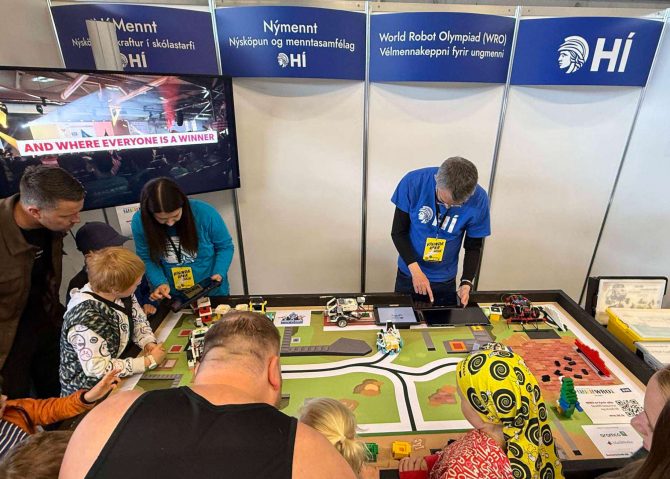
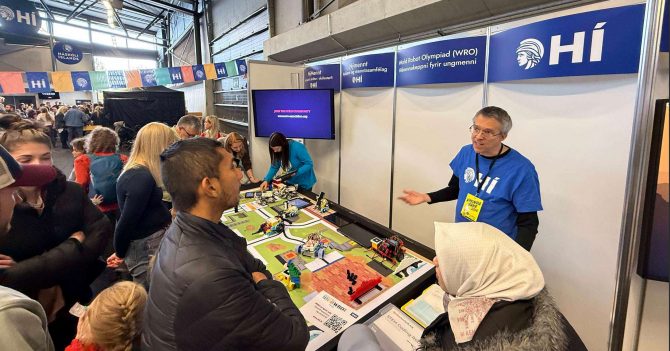
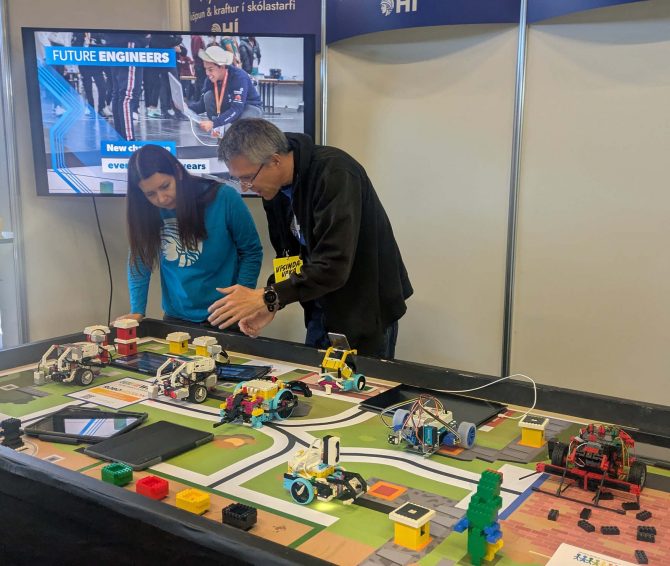
The Computer Science Department has been for years the driving technical force behind the First Lego League Ísland. Now, this has phased out and we are now backing the World Robot Olympiad which is more open to other technologies and age groups.
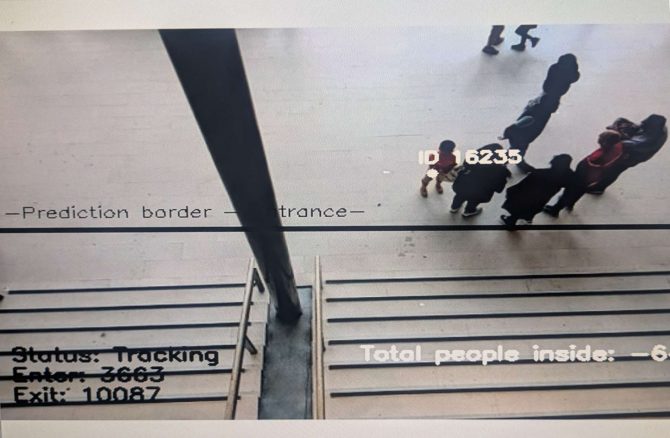
Behind (or in fact: above) the scenes: the organisers of Vísindavaka asked me to count the number of visitors by having a camera at the entrance that counts people entering and exiting. This ran GDPR-compliant (counting was done in real time and no video was stored, nor were people re-identified). This year, I had a camera with a better quality (an old Pixel 3a smartphone running as webcam), so the software was able to count significantly more visitors -- but still, the software was more reliable in counting people exiting than entering and anecdotical evidence showed that still not all people leaving were counted, so the counted number of visitors is a lower bound. However, people were not re-identified, so they have been counted twice if they left and come back again (but I have the feeling that -- except for the staff -- this was not often the case). Note to self: For next year, using a tripod clamp for the smartphone and tripod might ease camera adjustment so that also people at the left and right border get counted properly. Also, connection via USB C might help to provide more charging power as the power-limited USB A connection did lead to the smartphones battery being almost empty when running from 12:00 to 17:00
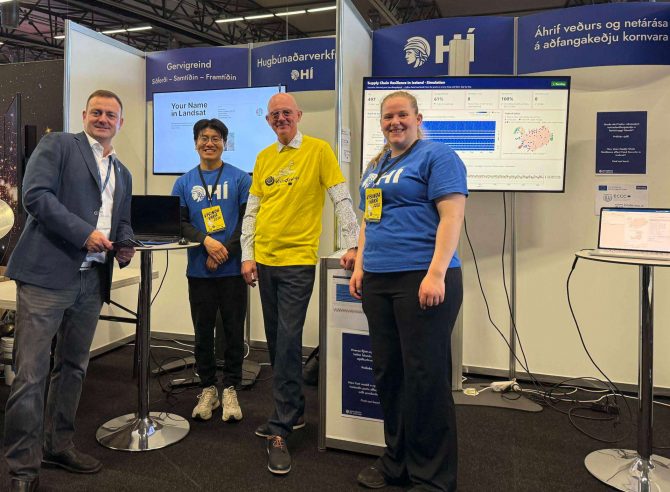
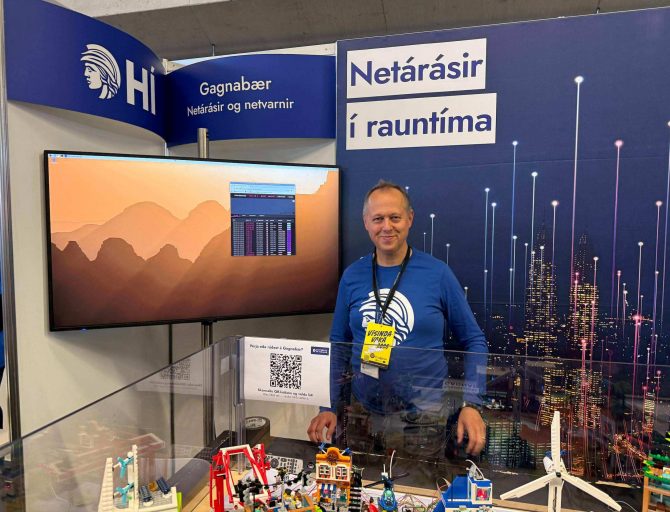
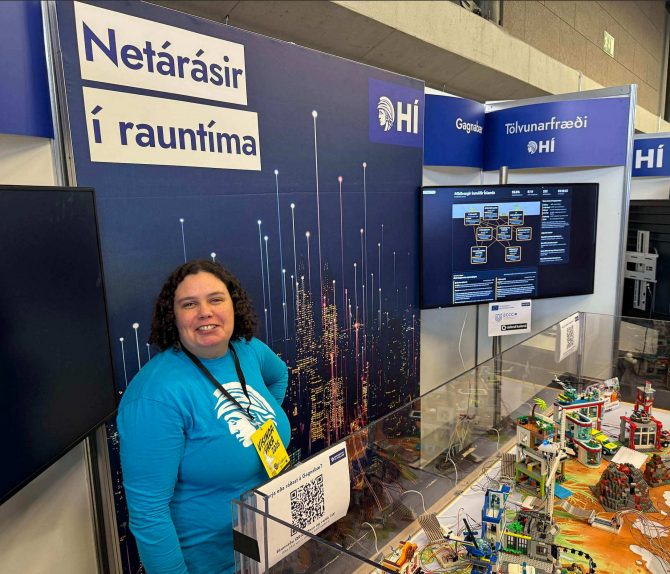
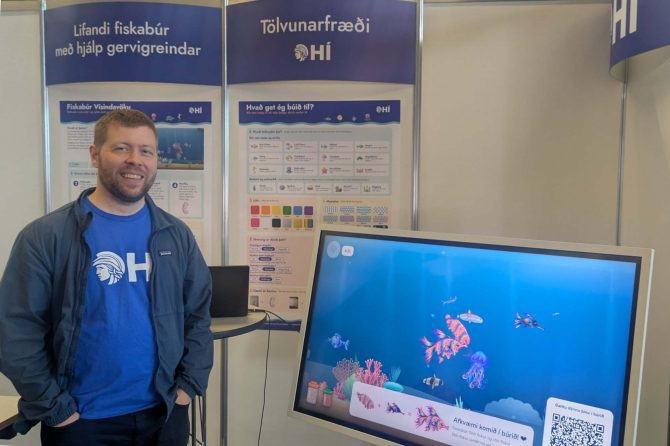
Team members of the Computer Science Department (and the general director from Rannís)
Our booths at the previous European Researchers' Nights:
- European Researchers' Night 2025 / Vísindavaka 2025
- European Researchers' Night 2024 / Vísindavaka 2024
- European Researchers' Night 2023 / Vísindavaka 2023
- European Researchers' Night 2022 / Vísindavaka 2022
- No 2020 nor 2021 European Researchers' Nights due to COVID pandemic
- European Researchers' Night 2019 / Vísindavaka 2019
Parts of this event are in the context of our cybersecurity activities and the ECCC/EU co-funded projects ICEDEF – Defend Iceland and Eyvör – the National Cybersecurity Coordination Centre of Iceland (NCC-IS).